
Science becomes clearer when learners can act on it
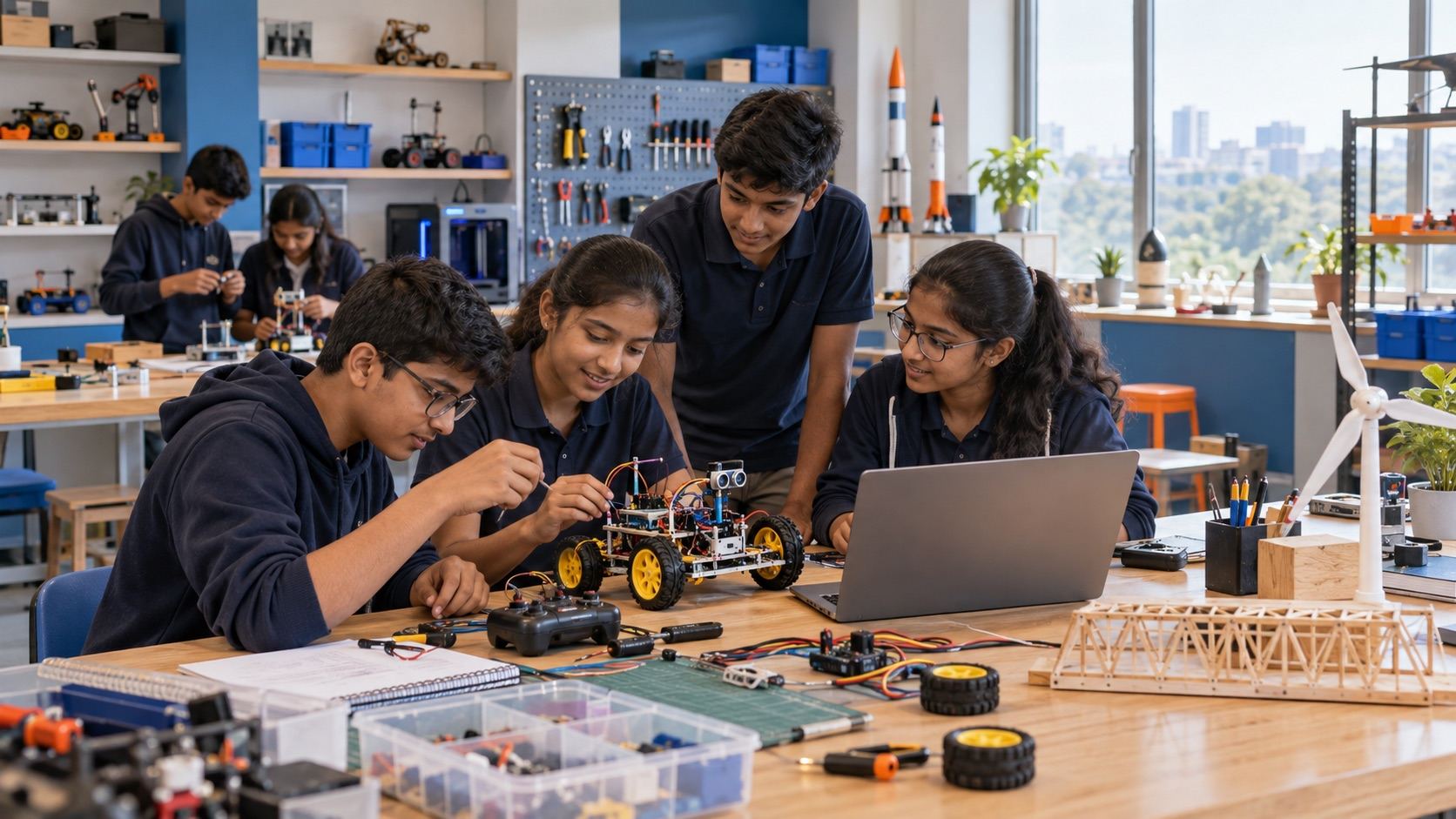
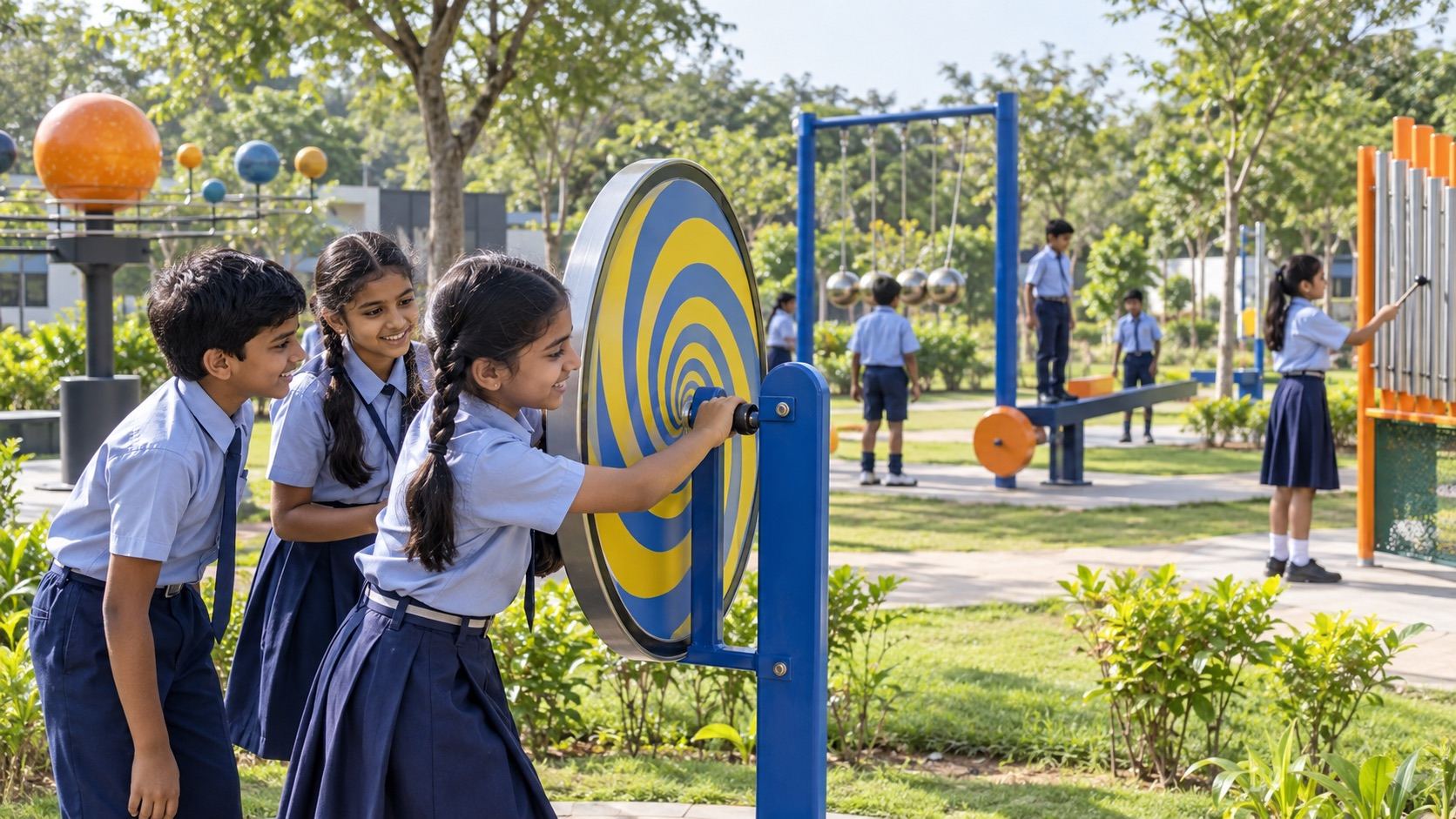
A diagram can introduce a concept. A demonstration can make it visible. But a hands-on activity asks the learner to make a prediction, change something, observe the result and explain what happened.
That sequence gives students a direct relationship with the idea. Force is no longer only a definition. It becomes the difference they feel when a lever arm changes.
The activity needs a clear learning purpose
Hands-on does not simply mean busy. The strongest activities begin with one focused question and end with a short reflection that connects the observation to the concept.
- Begin with a question students can understand
- Change one important variable
- Make the result easy to observe
- Ask learners to describe the evidence
- Connect the evidence to the scientific idea
Discussion turns experience into understanding
Two groups may see the same result and explain it differently. A well-planned discussion helps learners compare evidence, correct assumptions and build a more precise explanation.
The educator does not need to provide every answer immediately. A useful prompt can keep the investigation moving: What changed? What stayed the same? What would you test next?
Small activities can build a lasting culture of curiosity
A hands-on science programme does not have to begin with a large facility. A regular rhythm of short, well-chosen investigations can make questioning and testing part of everyday classroom learning.